Yesterday was Pink Day, a cancer awareness day. The community has embraced this day, and many wear pink for the occasion, as there are few who don't know someone who has battled cancer, whether in their circle of friends or family.
Cancer screening is a crucial preventive measure for all women, whether it's for breast or cervical cancer. However, not all women have access to screening facilities.
Women with mobility impairments face various barriers that reduce their participation in cervical cancer screening and other cancer screening programs. These barriers increase the risk of late-stage cancer diagnosis. The main barriers, according to the women's experiences, include, for example, a lack of accessibility, insecurity, and even disrespect from healthcare professionals. Research conducted abroad suggests the same.
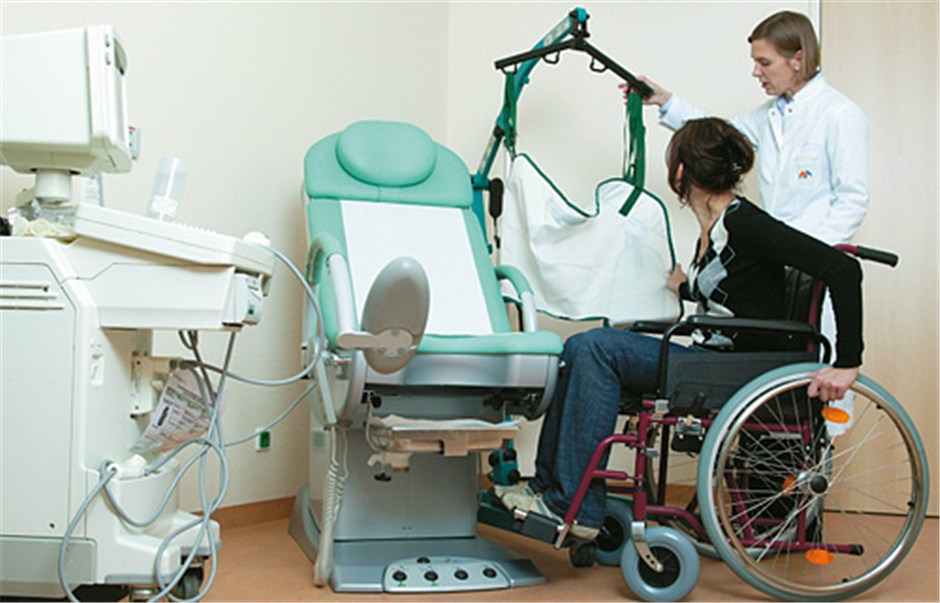
When an invitation for cervical screening arrives, it should be a simple matter to book an appointment and go for the exam. For women who use a wheelchair, however, this can be easier said than done. They may even have to consider whether they can get onto the exam table, if the space is large enough, if they can get the necessary assistance, and if they can trust that the situation is safe.
Recently, I had the opportunity to review the accessibility of a Pap smear facility at a health clinic in the capital region. The facility was found to be inadequate for providing appropriate services to women who use wheelchairs. It lacked an examination table that women could get onto by themselves or with assistance, the exam room was very narrow, and there was no changing area for women who use wheelchairs; the restroom was located far from the exam room.
These are not minor issues. They can determine whether a woman can use the service at all.
„I have avoided these screenings.“
To get a better insight into the experiences of women, I sent a survey to seven women between the ages of 25 and 60 who all use a wheelchair. Five of them responded. Two live in rural areas and three in the capital region. This was a small, informal survey, but the answers provided important insight into the barriers that women with disabilities can face.
One woman said she had not gone for a Pap smear at a health clinic because she needed a lift to get from her wheelchair to the examination table. When she had asked about such equipment, the response was that it was not available. She therefore had to go to the women's department of the National University Hospital.
Another woman described that she had avoided screening due to bad stories from other disabled women. She wanted to know in advance what the situation was like, what the exam table looked like, and what would happen during the exam. She did not want to show up in uncertainty, only to find out that she could not use the service.
Yet another woman had come for a screening and was sent home without the exam taking place, largely because she was unable to get onto the exam table.
These accounts show how inaccessibility can have real consequences. A woman may have to look elsewhere, postpone an appointment, or cancel altogether. Such an experience can also increase anxiety and decrease trust in the healthcare system.
Accessibility is more than elevators and ramps
It is important to understand that women with disabilities have different needs. Some need a lift to get onto the exam table safely. Others can transfer themselves if the table is low enough, the wheelchair can get close to it, and there is enough room to maneuver.
The women mentioned, among other things, that the following improvements needed to be made:
- Adjustable examination tables that can be lowered low enough.
- Lift equipment/personnel lifts where needed, with clear information about its location.
- Spacious examination rooms where a wheelchair can be turned and positioned right at the exam table.
- Accessible changing facilities and restrooms nearby.
- Staff who understand the diverse needs of people with mobility impairments and can provide assistance with respect.
One point that came up in the answers I find particularly important: women need to have control over their own situations. They need to be able to trust that staff will listen to them and respect their wishes for assistance, including from their own support personnel when applicable. The results of this small survey are consistent with
A sensitive examination can cause anxiety for many women. For women who have experienced violence or who need to rely on others for transportation and personal assistance, it can be even more important to know what will happen, to receive explanations in advance, and to feel that their boundaries and wishes are respected.
One should never have to sacrifice their autonomy or dignity to get necessary healthcare.
Let's celebrate improvements, but let's speed up the implementation.
Preparations are now underway at the Health Care Service in the Capital Region to make a health clinic in the area accessible for cervical cancer screenings for women with disabilities. This is positive, and Sjálfsbjörg, the National Federation of the Disabled, welcomes the initiative and urges that the implementation be expedited.
Additionally, a plan must be put in place to ensure access at more locations, both in the capital region and out in the country. Women should receive clear information about accessibility before they book an appointment. They should not have to make a trip only to find out that the examination is not possible for them.
Sjálfsbjörg LSH calls on the Minister of Health, the Health Service of the Capital Region, and the Cancer Society of Iceland to work together on these improvements and ensure that women with mobility impairments have access, safety, and dignity during cervical cancer screenings.
No woman should have to leave cancer screening without an examination because the facility is not equipped for her. Accessibility is a prerequisite for prevention. Safety, autonomy, and dignity should accompany every single woman into the exam room.
The author is the chairman of Sjálfsbjörg National Federation.